

Hey there! I'm a supplier of ball bearings, and I know how annoying it can be when those little guys start vibrating like crazy. Vibration in ball bearings can lead to all sorts of problems, like noise, wear and tear, and even reduced performance. In this blog, I'm gonna share some tips on how to dampen the vibration of a ball bearing.
1. Choose the Right Bearing
First things first, picking the right ball bearing is super important. Different applications call for different types of bearings. For example, if you're looking for a high - quality option, check out the 6412 Deep Groove Radial Ball Bearing High Quality. This baby is designed to handle radial loads and can perform well in many common applications.
Deep groove ball bearings are great because they have a simple design and can handle both radial and a certain amount of axial loads. They're also relatively quiet and have low vibration levels compared to some other types.
Another option is the DAC356437 - Rubber Seals Front Wheel Hub Bearings. These bearings are specifically designed for front wheel hubs, and the rubber seals help to keep out dirt and moisture, which can reduce the chances of vibration caused by contaminants.
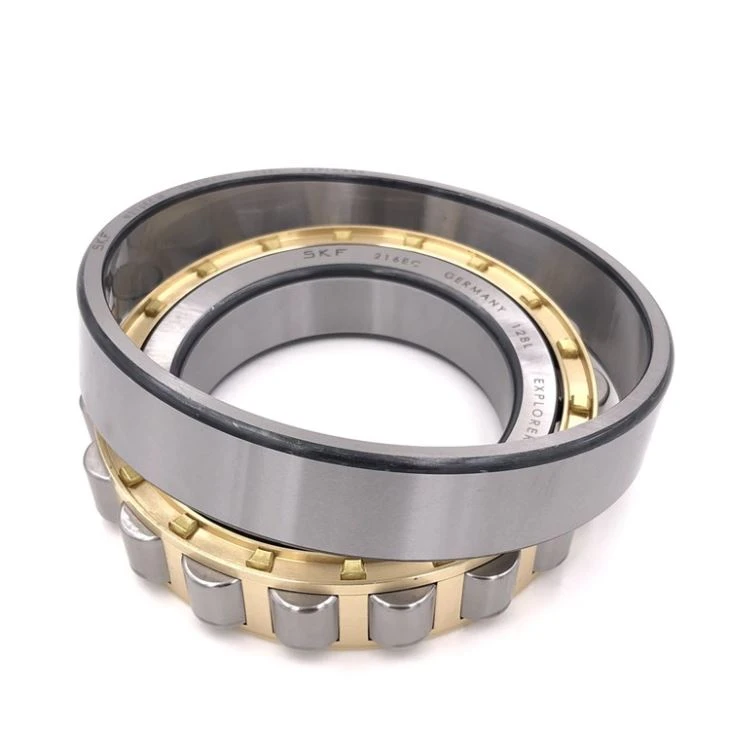
If you need a bearing that can handle heavy radial loads, the Cylindrical Roller Bearing NU419 might be a good choice. Cylindrical roller bearings have a large contact area, which means they can distribute loads evenly and reduce vibration.

2. Proper Installation
Even the best - quality bearing can vibrate if it's not installed correctly. Here are some key points to keep in mind during installation:
- Cleanliness: Make sure the mounting surface is clean and free of any dirt, debris, or burrs. A dirty surface can cause the bearing to sit unevenly, leading to vibration.
- Alignment: Proper alignment is crucial. Misaligned bearings can experience uneven loads, which will definitely cause vibration. Use alignment tools to ensure that the bearing is installed straight and true.
- Fitting: The bearing should be fitted correctly on the shaft and in the housing. If it's too loose, it can move around and vibrate. If it's too tight, it can cause excessive stress and also lead to vibration. Follow the manufacturer's recommendations for the proper fit.
3. Lubrication
Lubrication is like the lifeblood of a ball bearing. It not only reduces friction but also helps to dampen vibration. Here's what you need to know about lubrication:
- Type of Lubricant: There are different types of lubricants available, such as grease and oil. Grease is easier to use and is suitable for many applications. It can stay in place and provide long - term lubrication. Oil, on the other hand, is better for high - speed applications as it can dissipate heat more effectively.
- Amount of Lubricant: Using the right amount of lubricant is important. Too little lubricant won't provide enough protection, while too much can cause overheating and increased drag, which can also lead to vibration. Refer to the bearing manufacturer's guidelines for the correct amount of lubricant.
- Lubrication Interval: Regular lubrication is necessary. Over time, the lubricant can break down or get contaminated, so it's important to replenish it at the recommended intervals.
4. Vibration Damping Materials
You can also use vibration damping materials to reduce the vibration of ball bearings. Here are some options:
- Elastomeric Mounts: Elastomeric materials, like rubber, can absorb and dampen vibrations. You can use elastomeric mounts to isolate the bearing from its surroundings. For example, if the bearing is mounted on a machine frame, placing an elastomeric mount between the bearing housing and the frame can help to reduce the transmission of vibration.
- Damping Coatings: Some damping coatings can be applied to the bearing housing or other components. These coatings work by converting the vibrational energy into heat, which is then dissipated.
5. Maintenance and Monitoring
Regular maintenance and monitoring are essential to keep ball bearings in good condition and reduce vibration. Here's what you can do:
- Inspection: Periodically inspect the bearings for signs of wear, damage, or contamination. Look for things like pitting, scoring, or discoloration. If you notice any problems, replace the bearing as soon as possible.
- Vibration Monitoring: Use vibration monitoring equipment to keep track of the bearing's vibration levels. If you notice an increase in vibration, it could be a sign of a problem. You can then take corrective action before the problem gets worse.
6. Load Management
Managing the load on the ball bearing is also important for reducing vibration. Here are some tips:
- Avoid Overloading: Don't subject the bearing to loads that are beyond its capacity. Overloading can cause excessive stress and vibration. Make sure you know the rated load of the bearing and stay within its limits.
- Dynamic Loads: If the bearing is subjected to dynamic loads, such as shock or impact, take steps to reduce these loads. For example, you can use shock absorbers or dampers to smooth out the loads.
Let's Talk Business!
If you're in the market for high - quality ball bearings or need more advice on how to dampen vibration, I'd love to hear from you. Whether you're working on a small DIY project or a large industrial application, I can help you find the right ball bearing solution. Just reach out to me, and we can start a conversation about your specific needs.
References
- "Ball Bearing Handbook" - A comprehensive guide on ball bearings, including installation, lubrication, and maintenance.
- Industry standards and guidelines from bearing manufacturers.
- Technical papers on vibration analysis and damping in ball bearings.