

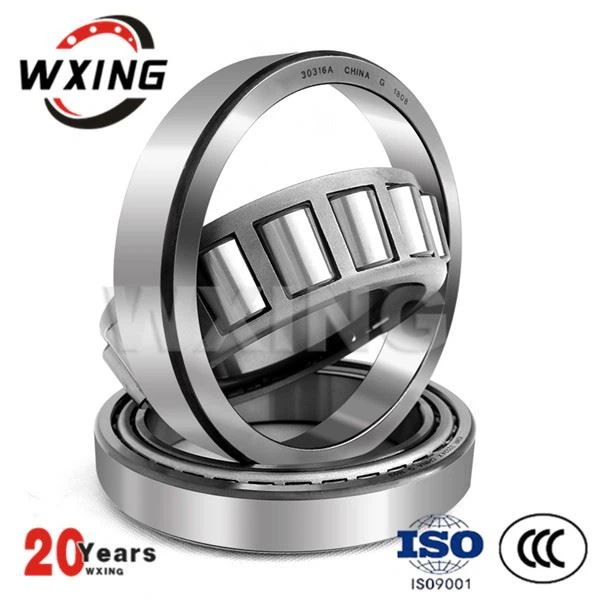
As a supplier of tapered roller bearings, I've seen firsthand how important it is to maintain these components to ensure optimal performance and longevity. Tapered roller bearings are commonly used in various applications, including automotive, aerospace, and industrial machinery, where they support radial and axial loads. However, over time, these bearings can experience wear and tear, leading to reduced efficiency and potential failure. In this blog post, I'll share some practical tips on how to reduce the wear of a tapered roller bearing.
Proper Installation
The first step in reducing wear is to ensure proper installation of the tapered roller bearing. Incorrect installation can lead to uneven loading, which can cause premature wear and failure. When installing a tapered roller bearing, it's essential to follow the manufacturer's guidelines. This includes ensuring that the bearing is installed in the correct orientation, with the large end of the rollers facing the direction of the axial load.
Also, make sure that the mating surfaces of the shaft and housing are clean, smooth, and free of any defects. Any roughness or damage on these surfaces can cause the bearing to seat unevenly, leading to increased stress and wear. Use the appropriate tools and techniques for installation, and avoid using excessive force, which could damage the bearing.

Lubrication
Lubrication is another critical factor in reducing the wear of a tapered roller bearing. A good lubricant forms a protective film between the rolling elements and the raceways, reducing friction and preventing direct metal-to-metal contact. This helps to minimize wear and heat generation, which can lead to premature failure.
Choose a lubricant that is suitable for the specific operating conditions of the bearing, such as speed, load, and temperature. For example, high-speed applications may require a lubricant with a lower viscosity, while heavy-load applications may need a lubricant with a higher viscosity.
Regularly check the lubricant level and condition. Over time, lubricants can break down, become contaminated with dirt and debris, or lose their effectiveness. Replace the lubricant at the recommended intervals, and make sure to clean the bearing and housing thoroughly before adding new lubricant.
Alignment
Proper alignment of the shaft and housing is crucial for reducing wear on tapered roller bearings. Misalignment can cause the bearing to experience uneven loading, which can lead to increased stress, vibration, and wear. To ensure proper alignment, use precision alignment tools during installation and periodically check the alignment during operation.
If misalignment is detected, take corrective action immediately. This may involve adjusting the position of the shaft or housing, or replacing any worn or damaged components. Regular maintenance and alignment checks can help to prevent misalignment issues from occurring and extend the life of the bearing.
Load Management
The load on a tapered roller bearing can significantly impact its wear rate. Excessive loads can cause the bearing to deform, leading to increased friction and wear. To reduce wear, it's important to manage the load on the bearing effectively.
First, make sure that the bearing is properly sized for the application. Select a bearing with a load rating that is appropriate for the expected radial and axial loads. If the load requirements change over time, consider upgrading the bearing to a larger size or higher load capacity.
In addition, try to distribute the load evenly across the bearing. Avoid overloading one side of the bearing, as this can cause uneven wear. If possible, use multiple bearings to share the load, or use load distribution devices such as spacers or shims.
Environmental Protection
The operating environment can also have a significant impact on the wear of a tapered roller bearing. Exposure to dirt, dust, moisture, and chemicals can cause corrosion, abrasion, and other forms of damage to the bearing. To protect the bearing from these environmental factors, use appropriate seals and shields.
Seals and shields help to keep contaminants out of the bearing and prevent lubricant leakage. Choose seals and shields that are suitable for the specific operating environment, such as high-temperature or high-moisture conditions. In addition, keep the bearing and its surrounding area clean and free of debris. Regularly inspect the bearing for signs of damage or contamination, and take appropriate action if necessary.
Regular Inspection
Regular inspection is essential for detecting early signs of wear and damage on a tapered roller bearing. By inspecting the bearing regularly, you can identify potential problems before they become serious and take corrective action to prevent further damage.
During an inspection, look for signs of wear, such as pitting, scoring, or discoloration on the raceways and rolling elements. Check the clearance between the rollers and the raceways, as excessive clearance can indicate wear. Also, inspect the seals and shields for any signs of damage or leakage.
If any problems are detected during the inspection, take appropriate action immediately. This may involve replacing the worn or damaged components, adjusting the bearing, or changing the lubrication or operating conditions.
Use High - Quality Bearings
Using high - quality tapered roller bearings is a fundamental way to reduce wear. High - quality bearings are made from better materials, have more precise manufacturing tolerances, and are designed to withstand higher loads and harsher operating conditions.
For example, our Taper Roller Bearing For Motors And Generators P6 is specifically designed for motors and generators, offering high performance and durability. The Chrome Steel Taper Roller Bearing is made of high - grade chrome steel, which provides excellent hardness and wear resistance. And the BT1B332532/QCL7A Tapered Roller Bearing 540669 is a precision - engineered bearing that meets the highest standards of quality and performance.
Conclusion
Reducing the wear of a tapered roller bearing is essential for ensuring its long - term performance and reliability. By following these tips, including proper installation, appropriate lubrication, correct alignment, effective load management, environmental protection, regular inspection, and using high - quality bearings, you can significantly extend the life of your tapered roller bearings.
If you're interested in purchasing high - quality tapered roller bearings or need more advice on bearing maintenance, feel free to contact us for procurement discussions. We're here to help you find the best solutions for your specific needs.
References
- "Tapered Roller Bearing Handbook", SKF
- "Bearing Basics and Troubleshooting", NTN Bearing Corporation
- Various industry technical papers on bearing maintenance and wear reduction.