

Troubleshooting a tapered roller bearing that isn't working properly is a crucial skill for anyone involved in machinery maintenance and operation. As a supplier of tapered roller bearings, I've encountered various issues over the years and have developed effective strategies to diagnose and resolve these problems. In this blog post, I'll share some insights on how to troubleshoot a malfunctioning tapered roller bearing.
Initial Inspection
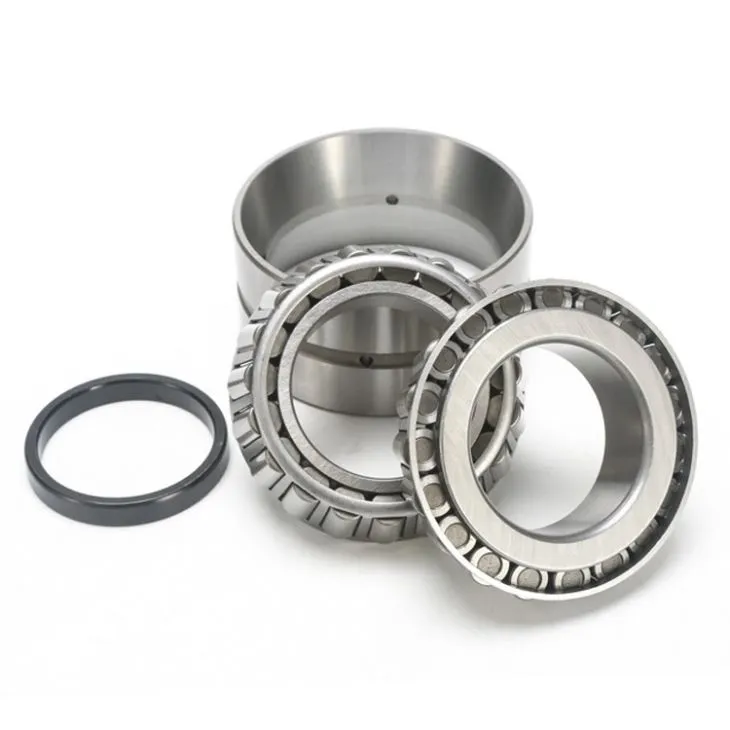
The first step in troubleshooting a tapered roller bearing is to conduct a visual inspection. Look for any signs of physical damage such as cracks, chips, or excessive wear on the bearing components. Check the raceways, rollers, and cages for any irregularities. If you notice any visible damage, it's likely that the bearing needs to be replaced. For example, if the raceways have deep grooves or the rollers are pitted, the bearing's performance will be severely compromised.
Another aspect of the visual inspection is to check the alignment of the bearing. Misalignment can cause uneven loading on the bearing, leading to premature wear and failure. Look for signs of misalignment such as uneven wear patterns on the raceways or the presence of debris in the bearing housing. If misalignment is suspected, it's important to correct it before installing a new bearing.
Noise and Vibration Analysis
Noise and vibration are common indicators of a problem with a tapered roller bearing. If you hear unusual noises coming from the bearing, such as grinding, clicking, or rumbling, it could be a sign of internal damage. Similarly, excessive vibration can indicate a problem with the bearing's balance or alignment.
To analyze the noise and vibration, you can use specialized tools such as vibration analyzers or acoustic sensors. These tools can help you identify the frequency and amplitude of the noise and vibration, which can provide valuable information about the nature of the problem. For example, a high-frequency noise may indicate a problem with the bearing's lubrication, while a low-frequency vibration may be caused by misalignment.
Lubrication Check
Proper lubrication is essential for the smooth operation of a tapered roller bearing. Insufficient lubrication can cause increased friction and wear, while over-lubrication can lead to heat buildup and seal damage. Check the lubrication level and condition of the bearing regularly.

If the lubricant is dirty or contaminated, it should be replaced immediately. Contaminated lubricant can contain abrasive particles that can damage the bearing components. Also, make sure that the lubricant is compatible with the bearing material and the operating conditions. Different types of bearings may require different types of lubricants, so it's important to consult the manufacturer's recommendations.
Load and Speed Analysis
The load and speed at which the bearing operates can also affect its performance. If the bearing is subjected to excessive loads or high speeds, it may experience premature wear and failure. Check the operating conditions of the bearing and make sure that it is suitable for the application.
If the load or speed requirements have changed since the bearing was installed, it may be necessary to upgrade to a higher-capacity bearing. For example, if a machine has been modified to operate at a higher speed, the existing bearing may not be able to handle the increased stress. In such cases, it's important to select a bearing that is designed for the new operating conditions.
Common Problems and Solutions
Here are some common problems that you may encounter with a tapered roller bearing and their possible solutions:
Overheating
Overheating can be caused by several factors, including insufficient lubrication, excessive load, or misalignment. To solve this problem, check the lubrication level and condition, and make sure that the bearing is properly aligned. If the overheating persists, it may be necessary to reduce the load or increase the cooling capacity of the system.
Wear and Tear
Wear and tear are inevitable in any bearing, but excessive wear can lead to premature failure. To minimize wear, make sure that the bearing is properly lubricated and aligned. Regularly inspect the bearing for signs of wear, and replace it if necessary.
Noise and Vibration
As mentioned earlier, noise and vibration can indicate a problem with the bearing. To reduce noise and vibration, check the alignment and balance of the bearing. Also, make sure that the bearing is properly lubricated. If the problem persists, it may be necessary to replace the bearing.
Specific Product Considerations
When troubleshooting a tapered roller bearing, it's important to consider the specific type of bearing you are dealing with. For example, the 32005 Taper Roller Bearing has its own unique characteristics and requirements. This bearing is designed for specific applications, and its performance can be affected by factors such as the load capacity, speed, and lubrication.
Similarly, the Single Row Tapered Roller Bearing With Flange has a different design compared to other types of bearings. The flange can provide additional support and alignment, but it also requires proper installation and maintenance.
The M86649/10 Tapered Roller Bearings are designed for heavy-duty applications. These bearings are built to withstand high loads and harsh operating conditions, but they still need to be properly maintained to ensure optimal performance.
Conclusion
Troubleshooting a tapered roller bearing that is not working properly requires a systematic approach. By conducting a thorough inspection, analyzing the noise and vibration, checking the lubrication, and considering the load and speed requirements, you can identify the root cause of the problem and take appropriate measures to solve it.
As a supplier of tapered roller bearings, I understand the importance of providing high-quality products and reliable support. If you are experiencing problems with your tapered roller bearings or need help in selecting the right bearing for your application, please feel free to contact me for further assistance. We can discuss your specific requirements and provide you with the best solutions to ensure the smooth operation of your machinery.
References
- Harris, T. A., & Kotzalas, M. N. (2007). Rolling Bearing Analysis. Wiley.
- SKF Bearing Handbook. (2010). SKF Group.
- Timken Engineering Handbook. (2012). The Timken Company.