

Hey there! As a supplier of linear bearings, I often get asked about the waterproof performance of these nifty little components. So, I thought I'd take a deep dive into this topic and share everything you need to know.
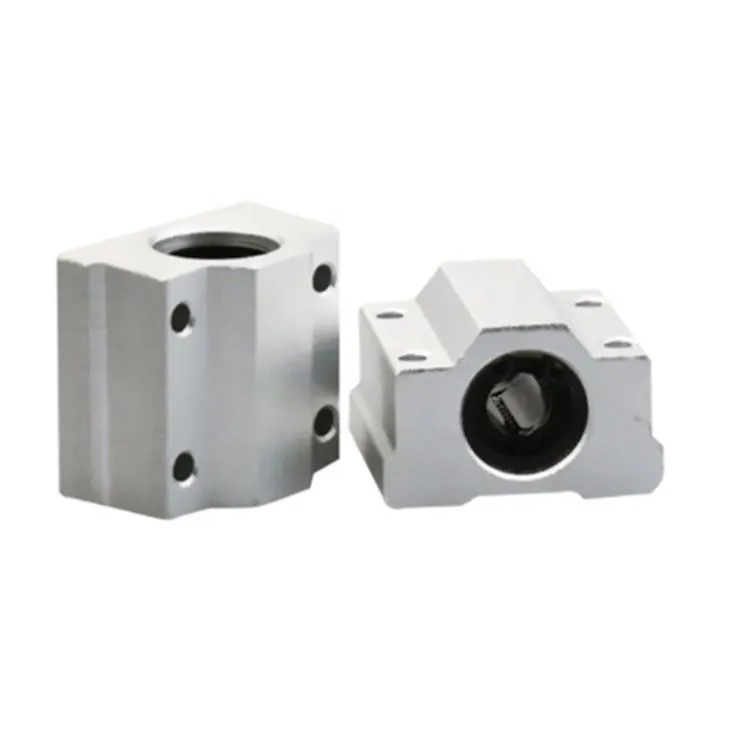
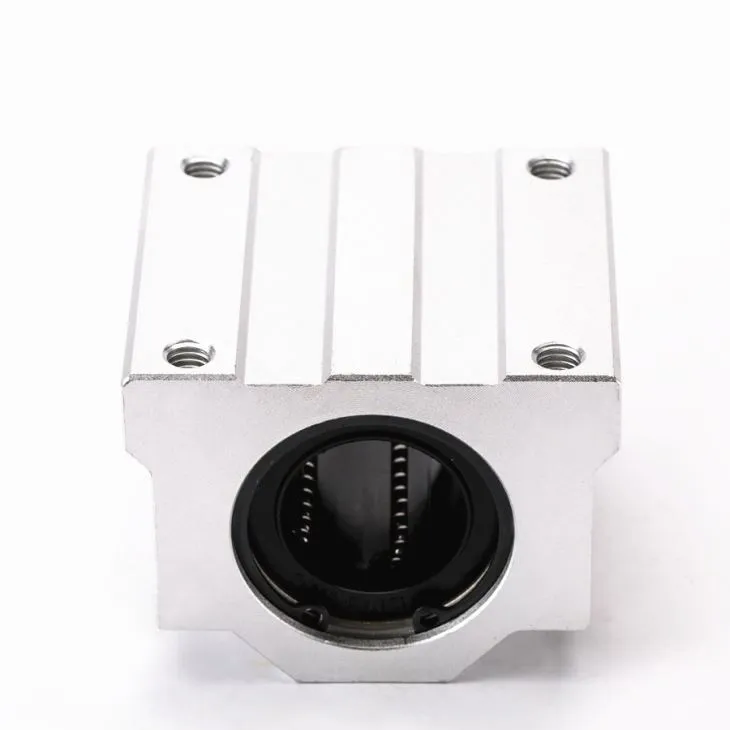
First off, let's understand what a linear bearing is. In simple terms, a linear bearing is a device that enables smooth linear motion along a shaft. They're used in a wide range of applications, from industrial machinery to 3D printers. Industrial 3D printer from Linear Bearing is a great example of a product that relies on high - quality linear bearings for precise and smooth movement.
Now, when it comes to waterproof performance, it's not a one - size - fits - all situation. Different types of linear bearings have different levels of resistance to water.
Types of Linear Bearings and Their Waterproof Capabilities
Ball Bearings
Ball bearings are one of the most common types of linear bearings. They use balls to reduce friction between the bearing and the shaft. However, in their standard form, ball bearings aren't very waterproof. The balls and the raceways can easily get corroded when exposed to water. Water can also wash away the lubricant, which is essential for the smooth operation of the bearing.
But don't worry, there are solutions. Some ball bearings come with special seals. These seals act as a barrier, preventing water from entering the bearing. For example, the JBF20A Linear Bearing can be equipped with seals that enhance its waterproof performance. These seals are usually made of rubber or other elastomeric materials that can withstand exposure to water and other contaminants.
Roller Bearings
Roller bearings use cylindrical or tapered rollers instead of balls. They can handle heavier loads compared to ball bearings. In terms of waterproof performance, they're a bit better than standard ball bearings. The larger contact area of the rollers can provide some protection against water ingress.
However, just like ball bearings, roller bearings also benefit from additional sealing. Sealed roller bearings can be used in wet environments with more confidence. But keep in mind that even with seals, they're not completely immune to water damage. Over time, water can still find its way in, especially if the seals are damaged or worn out.
Needle Bearings
Needle bearings are a type of roller bearing with long, thin rollers. They're often used in applications where space is limited. When it comes to waterproofing, needle bearings face similar challenges as other types. Their small size can make it a bit more difficult to install effective seals.
The Curve Track Roller Cam Follower Needle Bearing is an example of a needle - type bearing. In wet conditions, it's crucial to ensure that proper protection measures are in place. This might include using a waterproof housing or applying a protective coating.
Factors Affecting Waterproof Performance
Material
The material of the bearing plays a huge role in its waterproof performance. Stainless steel is a popular choice for bearings in wet environments. It has excellent corrosion resistance, which means it can withstand exposure to water without rusting. However, stainless steel bearings can be more expensive than those made from other materials.
Other materials, like carbon steel, are more prone to corrosion. But they can be treated with special coatings to improve their waterproof capabilities. These coatings can act as a barrier between the metal and the water, preventing corrosion.
Sealing Design
As mentioned earlier, seals are essential for waterproofing linear bearings. The design of the seal can greatly affect its effectiveness. A well - designed seal should fit tightly around the bearing and the shaft, leaving no gaps for water to enter.
There are different types of seals, such as contact seals and non - contact seals. Contact seals provide better protection against water, but they can also increase friction, which might affect the performance of the bearing. Non - contact seals, on the other hand, have less friction but offer slightly less protection against water.
Environmental Conditions
The environment in which the linear bearing is used also affects its waterproof performance. For example, if the bearing is exposed to saltwater, it will face more severe corrosion compared to freshwater. Saltwater contains electrolytes that can accelerate the corrosion process.
Temperature and humidity also play a role. High humidity can increase the amount of moisture in the air, which can lead to condensation on the bearing. This condensation can then cause corrosion.
Testing Waterproof Performance
To ensure that a linear bearing has the required waterproof performance, it needs to be tested. There are several testing methods available.
One common method is the immersion test. In this test, the bearing is submerged in water for a certain period of time. After the immersion, the bearing is inspected for signs of corrosion or damage. The longer the bearing can withstand immersion without significant damage, the better its waterproof performance.
Another method is the spray test. In this test, water is sprayed onto the bearing at a certain pressure and for a specific duration. This simulates the conditions in which the bearing might be exposed to splashes or sprays of water.
Applications Requiring Waterproof Linear Bearings
There are many applications where waterproof linear bearings are essential.
Food and Beverage Industry
In the food and beverage industry, equipment often needs to be cleaned with water. Linear bearings used in this industry need to be waterproof to prevent contamination and ensure the safety of the products. For example, conveyor systems in food processing plants use linear bearings that are designed to withstand frequent washdowns.
Marine Industry
In the marine environment, linear bearings are exposed to saltwater, which is highly corrosive. Boats, ships, and offshore platforms use linear bearings in various applications, such as steering systems and hatch mechanisms. These bearings need to have excellent waterproof performance to ensure reliable operation.
Outdoor Machinery
Outdoor machinery, like agricultural equipment and construction machinery, is often exposed to rain and other wet conditions. Linear bearings used in these machines need to be able to withstand water exposure to prevent breakdowns and costly repairs.
Conclusion
So, there you have it! The waterproof performance of a linear bearing depends on several factors, including the type of bearing, the material, the sealing design, and the environmental conditions. As a supplier, we offer a wide range of linear bearings with different levels of waterproof performance to meet the needs of various applications.
If you're in the market for linear bearings and need a specific waterproof performance, don't hesitate to get in touch. We can help you choose the right bearing for your application and ensure that it meets your requirements. Whether you're working on an Industrial 3D printer from Linear Bearing, need a JBF20A Linear Bearing, or a Curve Track Roller Cam Follower Needle Bearing, we've got you covered. Let's start a conversation about your specific needs and find the perfect solution together.
References
- "Handbook of Linear Motion Technology"
- "Bearing Engineering and Technology"
- Industry research reports on linear bearings