

Hey there! As a supplier of spherical roller bearings, I've seen firsthand how temperature can have a huge impact on these little mechanical marvels. In this blog, I'm gonna break down how different temperatures can affect the performance of spherical roller bearings, and why it's super important to keep an eye on this factor.
Let's start with the basics. Spherical roller bearings are designed to handle heavy radial loads and some axial loads in both directions. They're used in all sorts of applications, like industrial machinery, automotive systems, and even in the mining and chemical industries. But no matter where they're used, temperature plays a key role in how well they work.
High Temperatures
When things start to heat up, spherical roller bearings can face a whole bunch of challenges. One of the biggest issues is the expansion of materials. As the temperature rises, both the bearing components and the surrounding parts expand. This can lead to a change in the internal clearance of the bearing. If the clearance gets too small, it can cause increased friction and wear.
For example, in a high - temperature environment like a Spherical Roller Bearing Used in chemical plant, the heat can really take a toll on the bearings. Chemical processes often involve high temperatures, and if the bearings aren't properly designed or protected, the increased friction can lead to premature failure. The lubricant used in the bearing can also be affected by high temperatures. Lubricants have a specific temperature range in which they work effectively. When it gets too hot, the lubricant can break down, losing its viscosity and its ability to reduce friction. This can result in metal - to - metal contact, which not only increases wear but can also generate even more heat, creating a vicious cycle.
Another consequence of high temperatures is the potential for material softening. The steel used in spherical roller bearings is heat - treated to achieve a certain hardness and strength. But when exposed to extremely high temperatures, the material can start to lose its hardness. This can make the bearing more susceptible to deformation under load, which ultimately affects its performance and lifespan.
Low Temperatures
On the flip side, low temperatures also present their own set of problems for spherical roller bearings. Cold temperatures can cause the lubricant to become thicker. When the lubricant thickens, it becomes harder to flow, and it may not be able to reach all the critical areas of the bearing. This can lead to insufficient lubrication, which increases friction and wear.
In applications like mining, where Mining Bearings Spherical Roller Bearings 22220CC/W33 are used in cold environments, the cold can cause the metal to become more brittle. This means that the bearing is more likely to crack or fracture under shock or impact loads. The low - temperature brittleness is a real concern, as it can lead to sudden and catastrophic failure of the bearing.
Optimal Temperature Range
So, what's the sweet spot for spherical roller bearings? Well, most manufacturers specify an optimal operating temperature range. Generally, the ideal temperature range for many spherical roller bearings is between - 20°C and 120°C. But this can vary depending on the specific design, materials, and lubrication used in the bearing.
Staying within this temperature range helps to ensure that the bearing maintains its proper internal clearance, the lubricant remains effective, and the materials keep their mechanical properties. However, it's not always easy to control the temperature in real - world applications. That's why it's important to choose the right bearing for the job and to implement proper temperature management strategies.

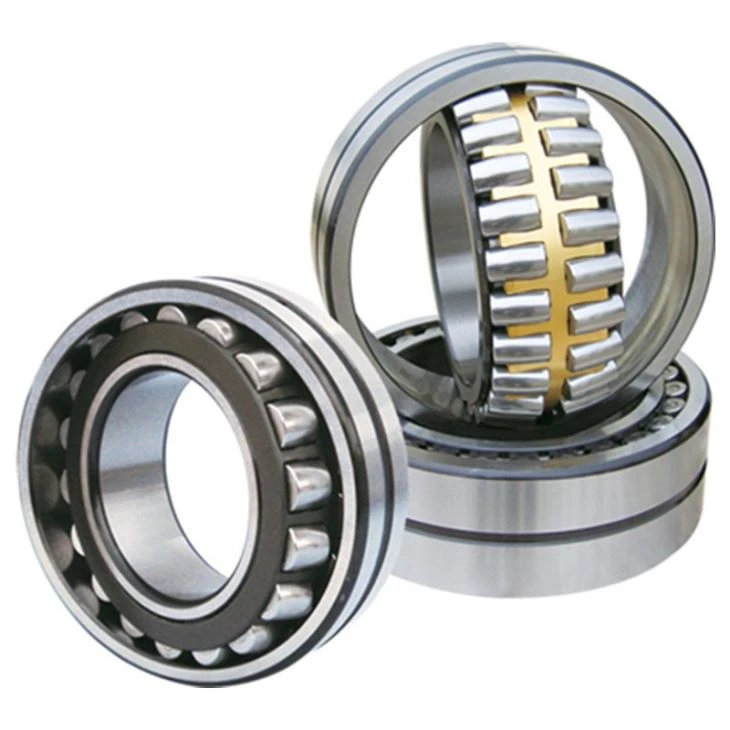
Choosing the Right Bearing for the Temperature
If you're operating in a high - temperature environment, you might want to consider bearings that are specifically designed for heat resistance. For example, the 3003296Х Roller Bearings are engineered to handle elevated temperatures. These bearings may have special heat - treated materials and high - temperature lubricants that can withstand the heat without breaking down.
On the other hand, if you're dealing with low - temperature conditions, you can look for bearings with lubricants that are formulated to remain fluid at cold temperatures. The 22212 CA W33 Spherical Roller Bearing is a good option for applications where low temperatures are a concern. These bearings are designed to maintain their performance even in frigid environments.
Real - Life Examples
Let's take a look at some real - life examples of how temperature affects spherical roller bearings. In the automotive industry, the bearings in the engine and transmission are exposed to a wide range of temperatures. When the engine is cold, the lubricant is thick, and the bearings may experience more wear during startup. As the engine warms up, the temperature rises, and if the cooling system fails, the bearings can overheat, leading to reduced performance and potential damage.
In the industrial machinery sector, spherical roller bearings are often used in large motors and pumps. These machines can generate a significant amount of heat during operation. If the temperature is not properly controlled, the bearings can fail prematurely, resulting in costly downtime and repairs. That's why regular monitoring of bearing temperature is crucial in these applications.
Temperature Monitoring
To ensure the optimal performance of spherical roller bearings, it's essential to monitor their temperature. There are several ways to do this. One common method is to use temperature sensors. These sensors can be installed directly on the bearing housing or in the vicinity of the bearing. They can provide real - time temperature data, allowing operators to take action if the temperature gets too high or too low.
Another approach is to use infrared thermometers. These tools can measure the surface temperature of the bearing without making physical contact. They're convenient for quick checks and can help identify hot spots. Regular temperature monitoring can help detect potential problems early, allowing for preventive maintenance and avoiding costly bearing failures.
Conclusion
In conclusion, temperature has a significant impact on the performance of spherical roller bearings. Whether it's high temperatures causing material expansion and lubricant breakdown, or low temperatures leading to thickened lubricants and brittle materials, it's crucial to understand these effects and take appropriate measures.
As a reliable supplier of spherical roller bearings, we offer a wide range of products suitable for different temperature conditions, like the TIMKEN Spherical Roller Bearing 21316CC ISO/TS16949. If you're in the market for spherical roller bearings and need help figuring out the best option for your specific temperature requirements, don't hesitate to get in touch! We're here to assist you in making the right choice to ensure the long - term performance and reliability of your equipment.
References
- "Bearing Handbook" by SKF
- "Mechanical Design of Machine Elements and Machines" by Robert L. Norton
- Industry reports on bearing performance and temperature effects