

As a supplier of Ball Bearing 3209, I understand the critical role that rotational accuracy plays in the performance of these bearings. In various industrial applications, the precision of rotation is often a determining factor in the overall efficiency and longevity of machinery. In this blog, I will share some effective ways to improve the rotational accuracy of Ball Bearing 3209 based on my experience in this field.
Understanding the Basics of Ball Bearing 3209
Before delving into the methods of improving rotational accuracy, it is essential to understand the basic characteristics of Ball Bearing 3209. This type of bearing is designed to support radial and axial loads, and its performance is influenced by many factors, including the quality of materials, manufacturing processes, and operating conditions.
The quality of the raw materials used in the production of Ball Bearing 3209 is the foundation for achieving high - rotational accuracy. High - grade steel with uniform hardness and low internal stress is often preferred. The manufacturing process also has a significant impact. Precise machining of the raceways, proper heat treatment, and accurate assembly of the balls and cages all contribute to the initial accuracy of the bearing.
Factors Affecting Rotational Accuracy
Several factors can affect the rotational accuracy of Ball Bearing 3209. One of the primary factors is the geometric accuracy of the bearing components. Any deviation in the roundness, cylindricity, or surface roughness of the raceways can lead to uneven rolling of the balls, resulting in reduced rotational accuracy.
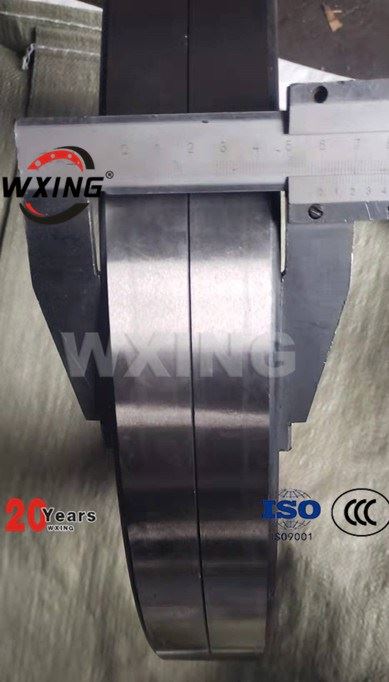
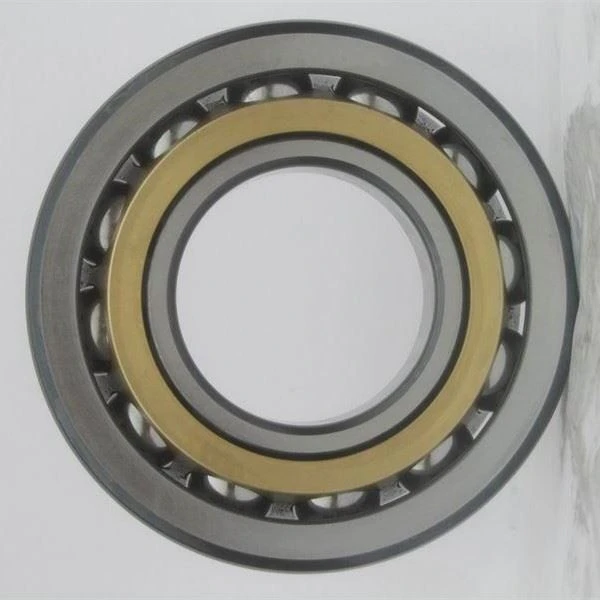
Another important factor is the pre - load applied to the bearing. Appropriate pre - load can eliminate internal clearances, reduce vibration and noise, and improve the overall stiffness of the bearing system. However, excessive pre - load can increase friction and heat generation, which may cause premature wear and failure of the bearing.
The fit between the bearing and the shaft or housing also matters. A loose fit can cause the bearing to move axially or radially during operation, while an overly tight fit may distort the bearing components and affect their accuracy.
Methods to Improve Rotational Accuracy
1. Material Selection and Quality Control
As mentioned earlier, the quality of materials is crucial. We always source high - quality chrome steel for our Ball Bearing 3209. Chrome steel has excellent hardness, wear resistance, and corrosion resistance, which can ensure the long - term stability of the bearing's performance. For example, you can check out our Angular Contact Ball Bearing 7322 Chrome Steel to see the high - quality chrome steel we use in similar bearing products.
In addition to material selection, strict quality control during the manufacturing process is necessary. We implement a series of inspection procedures, including dimensional measurement, surface quality inspection, and hardness testing at multiple production stages to ensure that each bearing meets the required accuracy standards.
2. Precise Machining and Manufacturing Processes
Advanced machining techniques play a vital role in improving the geometric accuracy of the bearing components. Computer - numerically - controlled (CNC) machining is widely used in our production line to achieve high - precision machining of the raceways. This technology can ensure the roundness and cylindricity of the raceways within very small tolerances, which is essential for the smooth rolling of the balls.
The heat treatment process is also carefully controlled. Proper heat treatment can improve the hardness and toughness of the bearing components, while minimizing internal stress. This helps to maintain the dimensional stability of the bearing during operation and reduces the risk of deformation.
3. Optimal Pre - load Adjustment
Determining the appropriate pre - load for Ball Bearing 3209 is a complex task that requires considering the specific application requirements. In general, we use pre - load calculation formulas and simulation software to estimate the optimal pre - load value based on factors such as the bearing size, load conditions, and rotational speed.
During the assembly process, we use specialized tools to apply the pre - load accurately. For some high - precision applications, we may even use sensors to monitor the pre - load in real - time and make adjustments as needed. Our 7009 CEGA/HCP4A P4 Precision Spindle Angular Contact Ball Bearings are designed with precise pre - load adjustment in mind, which can provide a reference for the pre - load adjustment of Ball Bearing 3209.
4. Proper Fit Selection
The fit between the bearing and the shaft or housing is determined by considering the operating conditions and the required accuracy. For applications where high - precision rotation is required, we usually recommend a tight fit between the inner ring of the bearing and the shaft, and a relatively loose fit between the outer ring and the housing to allow for thermal expansion.
We also provide detailed fit selection guidelines to our customers. By following these guidelines, customers can ensure that the bearing is installed correctly and that the fit is optimized to improve rotational accuracy. Our Ball Bearing 7214 has been designed with proper fit in mind, and the experience from its fit design can be applied to Ball Bearing 3209.
5. Lubrication and Maintenance
Proper lubrication is essential for reducing friction, heat generation, and wear in Ball Bearing 3209. We recommend using high - quality lubricants that are suitable for the specific operating conditions of the bearing. The type of lubricant, such as grease or oil, should be selected based on factors such as the rotational speed, load, and temperature.
Regular maintenance is also crucial. This includes checking the lubricant level and quality, inspecting for signs of wear or damage, and replacing the bearing in a timely manner when necessary. For applications in harsh environments, such as wind turbines, our Magnetic Bearings E5 E10 E11 E12 E16 Angular Contact Ball Bearing For Wind Turbine has been developed with advanced lubrication and maintenance requirements in mind, and the relevant experience can be extended to Ball Bearing 3209.
Working Conditions and Installation Environment
The working conditions and installation environment of Ball Bearing 3209 can also have a significant impact on its rotational accuracy. Extreme temperatures, high humidity, and the presence of dust or contaminants can all affect the performance of the bearing.
In high - temperature environments, the lubricant may deteriorate more quickly, and the bearing components may expand or change their mechanical properties. To address this issue, we can recommend using high - temperature - resistant lubricants and materials with low thermal expansion coefficients.
In dusty or contaminated environments, effective sealing is crucial. We offer bearings with various sealing options to protect the internal components from dust and contaminants. Our 116307 Q307 Rolling Mill Bearings are designed to work in harsh industrial environments, and the sealing technology used in these bearings can be beneficial for Ball Bearing 3209 in similar situations.
Conclusion
Improving the rotational accuracy of Ball Bearing 3209 requires a comprehensive approach that takes into account material selection, manufacturing processes, pre - load adjustment, fit selection, lubrication, maintenance, and the working environment. By implementing the methods mentioned above, we can significantly enhance the performance and reliability of the bearing.
If you are interested in our Ball Bearing 3209 or have any questions about improving its rotational accuracy, please feel free to contact us for further discussion and procurement negotiation. We are committed to providing high - quality bearings and professional technical support to meet your specific needs.
References
- Harris, T. A., & Kotzalas, M. N. (2007). Rolling Bearing Analysis. John Wiley & Sons.
- Stachowiak, G. W., & Batchelor, A. W. (2005). Engineering Tribology. Elsevier.
- ISO 15:1998, Geometrical Product Specifications (GPS) - Geometrical tolerancing - Datums and datum systems.