

What are the Temperature Limits for a Thrust Ball Bearing?
As a trusted supplier of thrust ball bearings, I understand the critical role that temperature plays in the performance and longevity of these essential components. Thrust ball bearings are designed to handle axial loads, which are forces acting parallel to the shaft. They are commonly used in a wide range of applications, from automotive transmissions to industrial machinery. However, like all mechanical parts, thrust ball bearings have specific temperature limits that must be respected to ensure optimal operation.

Understanding the Basics of Thrust Ball Bearings
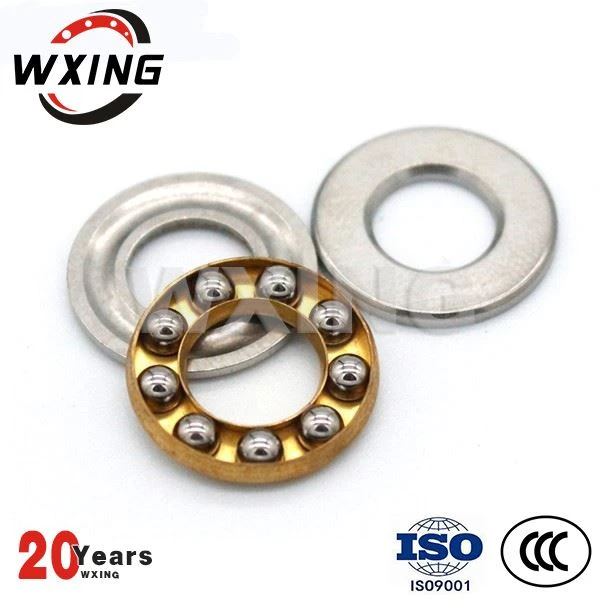
Before delving into temperature limits, it's important to have a basic understanding of how thrust ball bearings work. A thrust ball bearing consists of two washers (a shaft washer and a housing washer) and a set of balls held in a cage. The balls roll between the two washers, allowing for smooth rotation and the transfer of axial loads. The design of thrust ball bearings makes them particularly suitable for applications where high axial loads are present, but radial loads are minimal.
Factors Affecting Temperature Limits
Several factors can influence the temperature limits of a thrust ball bearing. These include the bearing's material, lubrication, load, speed, and the operating environment.
- Material: The materials used in the construction of the bearing have a significant impact on its temperature resistance. Most thrust ball bearings are made from high - quality steel, which can withstand relatively high temperatures. However, some specialized bearings may use other materials, such as ceramic, which can offer even better heat resistance.
- Lubrication: Proper lubrication is crucial for reducing friction and heat generation in a thrust ball bearing. The lubricant forms a thin film between the balls and the washers, preventing direct metal - to - metal contact. Different types of lubricants have different temperature ranges in which they can function effectively. For example, grease lubricants typically have a lower temperature limit compared to oil lubricants.
- Load: The amount of axial load applied to the bearing affects the heat generated during operation. Higher loads result in increased friction and, consequently, higher temperatures. It's important to select a bearing that is appropriately rated for the expected load to avoid overheating.
- Speed: The rotational speed of the bearing also plays a role in temperature generation. Faster speeds increase the friction between the balls and the washers, leading to higher temperatures. Bearings designed for high - speed applications are often engineered with features to reduce friction and heat.
- Operating Environment: The ambient temperature and the presence of contaminants in the operating environment can impact the bearing's temperature. In hot environments, the bearing may already be starting at a higher base temperature, which can reduce its ability to handle additional heat generated during operation. Contaminants such as dust and dirt can also cause increased friction and wear, leading to higher temperatures.
Typical Temperature Limits
In general, the normal operating temperature range for a thrust ball bearing is between - 30°C and 120°C (- 22°F and 248°F). However, this can vary depending on the specific bearing design and the factors mentioned above.
- Lower Temperature Limit: At extremely low temperatures, the lubricant in the bearing can become too viscous, which can impede the movement of the balls and increase friction. This can lead to premature wear and even bearing failure. Some specialized bearings are designed to operate at lower temperatures, but in most cases, it's important to ensure that the operating temperature does not fall below - 30°C.
- Upper Temperature Limit: As the temperature rises above 120°C, several problems can occur. The lubricant may start to break down, losing its ability to reduce friction and protect the bearing surfaces. The material of the bearing can also undergo thermal expansion, which can change the internal clearances of the bearing and affect its performance. In severe cases, the high temperature can cause the bearing to seize or fail catastrophically.
Our Product Range and Temperature Considerations
At our company, we offer a wide range of thrust ball bearings to meet the diverse needs of our customers. For example, our Thrust Ball Bearing 51304 is a popular choice for many industrial applications. It is designed to operate within the normal temperature range of - 30°C to 120°C, providing reliable performance under typical operating conditions.
Our Thrust Ball Bearing F7 - 15M Chrome Steel is made from high - quality chrome steel, which offers excellent heat resistance. This bearing can withstand slightly higher temperatures compared to standard steel bearings, making it suitable for applications where the operating temperature may be slightly elevated.
For more demanding applications, we also offer 29420 Thrust Tapered Roller Bearings With Brass Cage. These bearings are designed to handle heavy axial loads and can operate in a wider temperature range. They are often used in applications such as heavy - duty machinery and construction equipment.
Our T177 Bearings are engineered for high - speed applications. They are designed with features to reduce friction and heat generation, allowing them to operate at higher speeds without exceeding the temperature limits.
Finally, our Rpm 51101 Trust Ball Bearing Steel Plant Equipment is specifically designed for use in steel plant equipment. It is built to withstand the harsh operating conditions, including high temperatures and heavy loads, commonly found in steel plants.
Monitoring and Maintaining Temperature
To ensure that your thrust ball bearings operate within the temperature limits, it's important to monitor the temperature regularly. This can be done using temperature sensors or infrared thermometers. If the temperature exceeds the normal range, immediate action should be taken to identify and address the cause.
Some common steps to take if the bearing is overheating include checking the lubrication levels, ensuring proper alignment of the shaft and housing, and inspecting for any signs of wear or damage. In some cases, it may be necessary to upgrade the bearing or change the lubricant to one that is better suited for high - temperature operation.
Contact Us for Your Thrust Ball Bearing Needs
If you are in the market for high - quality thrust ball bearings, we are here to help. Our team of experts can provide you with detailed information about our products, including their temperature limits and suitability for your specific application. We can also offer advice on installation, maintenance, and temperature monitoring.
Whether you are looking for a standard thrust ball bearing or a specialized solution for a challenging application, we have the products and expertise to meet your needs. Contact us today to start a conversation about your thrust ball bearing requirements and let us help you find the perfect solution for your business.
References
- Harris, T. A., & Kotzalas, M. N. (2007). Rolling Bearing Analysis. Wiley.
- SKF. (2019). SKF Rolling Bearing Handbook. SKF Group.
- Timken. (2020). Timken Engineering Handbook. Timken Company.