

Ancient bearings did not have balls and rollers like modern bearings, mainly because the level of science and technology in ancient times was relatively low, and it was difficult to achieve modern bearing manufacturing with production tools and technical means.
Ancient bearings were usually made of wood or metal, and the manufacturing process relied mainly on manual operations, making it difficult to manufacture bearings with complex structures such as balls and rollers. In addition, in ancient times, the requirements for the use environment of bearings were relatively low, and they did not need to withstand high-speed and high-load operations. Therefore, the accuracy and performance requirements for bearings were also relatively low.
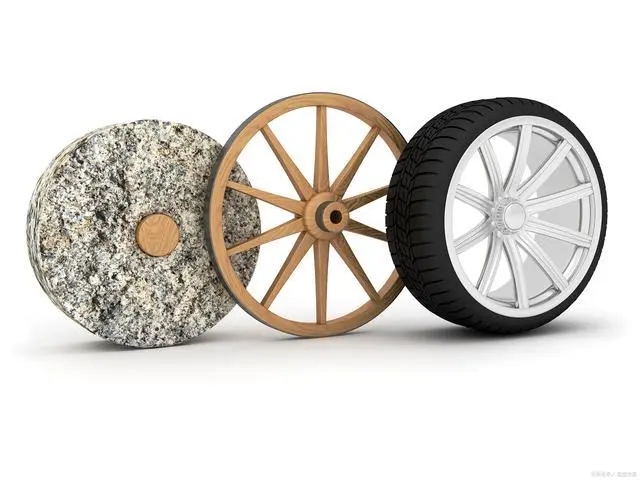
In contrast, the manufacturing of modern bearings requires advanced materials and manufacturing technologies, such as steel, alloys, heat treatment, etc., as well as precision processing equipment and processes, such as CNC machine tools, grinders, ball and roller processing, etc. These technologies and equipment were unavailable in ancient times, so ancient bearings could not achieve the accuracy and performance of modern bearings.
Ancient vehicle bearings were made of wood, bone or metal. These bearings are mounted between the wheel's hub and axle, allowing the wheel to rotate. Bearings on ancient vehicles typically did not have balls and rollers like modern bearings, but instead worked by applying lubricant to the bearing surface to reduce friction.
The use of ancient bearings dates back thousands of years, when people began using wheels to transport goods and people. Over time, bearing design and manufacturing techniques continued to improve, allowing ancient vehicles to travel more efficiently.
It is important to note that ancient bearings had a relatively short service life because they did not have the materials and manufacturing techniques of modern bearings. In addition, ancient vehicles did not have the suspension systems and shock absorbers like modern vehicles, so when driving on rough roads, the bearings would be subject to greater impact and wear.